Transform Your Attic: Why Rooflights Are the Key to Value and Light
Renovating an attic with rooflights creates an opportunity to elevate both light and space. The addition of these features not only lightens the environment but also adds considerable value to a property. As natural light improves mood and energy efficiency, it becomes obvious that rooflights can reimagine underutilized areas. Yet, the selection of rooflight and design can be crucial. What elements should one keep in mind when initiating this project?
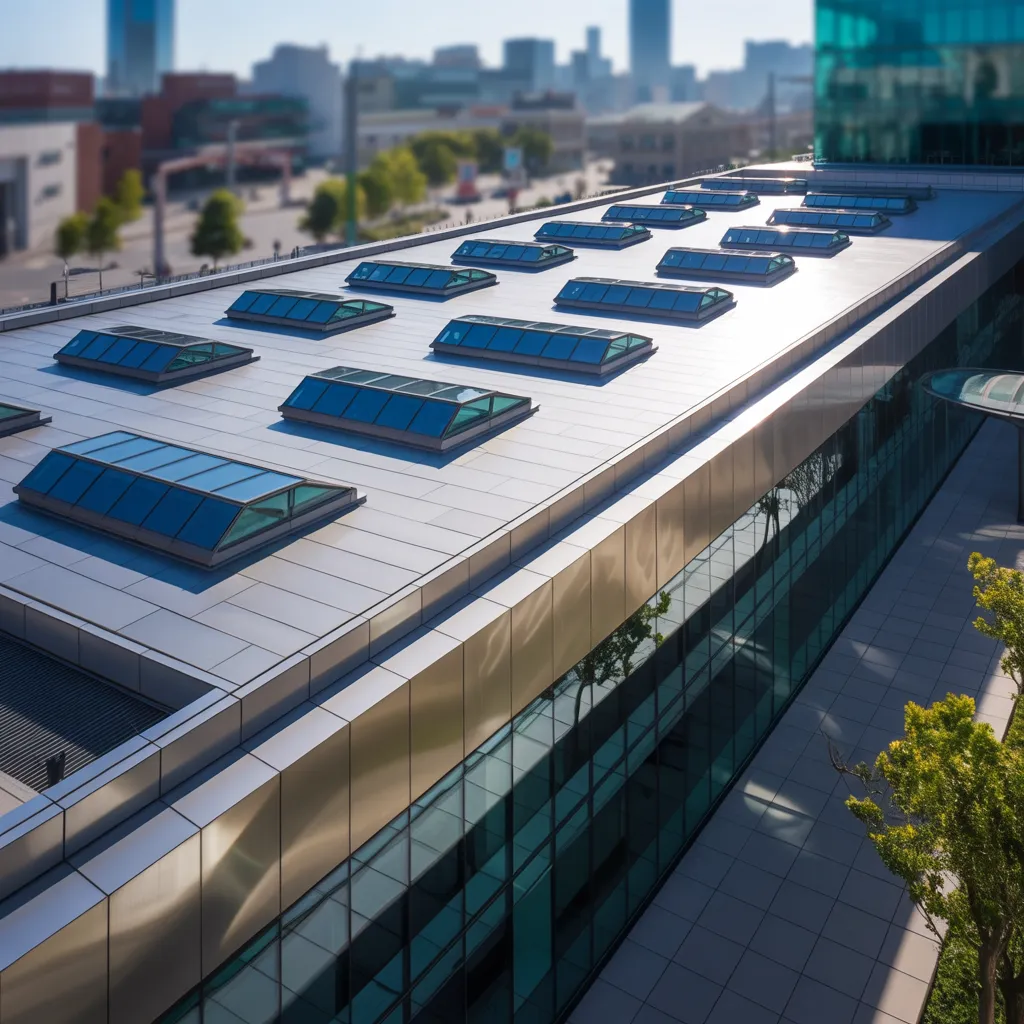
The Reasons to Select Rooflights for Your Attic Transformation
Why choose rooflights for an attic transformation? Rooflights serve as a pivotal feature in converting an underutilized attic space into a vibrant, functional area. They significantly boost natural light levels, fostering an open, spacious feel that can profoundly elevate the overall look and ambiance. This influx of daylight not only uplifts the mood but also helps in reducing reliance on artificial lighting, promoting energy efficiency.
Furthermore, rooflights can increase a home's worth. Future purchasers often desire homes with well-lit spaces, making an attic conversion highly desirable. The careful placement of rooflights can also offer breathtaking views of the sky, adding a special charm to the attic.
Furthermore, rooflights enable ventilation, boosting air circulation and sustaining a pleasant environment. To summarize, adding rooflights into an attic makeover is a sensible choice that merges elegance, eco-friendly performance, and increased property worth.
Various Types of Rooflights: Choosing the Right One?
Choosing the correct type of rooflight can considerably impact the overall success of an attic conversion. Numerous options are accessible, each providing distinct qualities. Fixed rooflights are popular for their simplicity and efficiency in illuminating spaces, while opening rooflights provide ventilation together with natural light, boosting air quality. For those looking for a modern touch, skylights come in a wide range of designs and materials, permitting customization to suit the attic's aesthetic.
Dome rooflights, commonly installed on flat roofs, are effective for maximizing the amount of light received and can be configured in various arrangements. Additionally, tube skylights are well-suited to confined areas, guiding daylight through specially designed reflective tubes. When deciding on a rooflight, factors including dimensions, positioning, and the layout of the attic are crucial. Ultimately, the best option not only enhances the room's natural light levels but also contributes to its general functionality and aesthetic appeal.
How Natural Light Impacts Well-Being
Natural light serves a vital role in improving overall well-being. Natural light exposure has been associated with enhanced mood and greater energy levels. Research indicates that natural light can significantly impact mental health, diminishing symptoms of anxiety and depression. By saturating spaces with sunlight, individuals often enjoy enhanced serotonin production, which promotes feelings of happiness and tranquility.
Moreover, natural light supports the control of biological rhythms, fostering improved sleep habits. This physiological harmony nurtures a sense of balance and rejuvenation, which is essential for overall health. In rooms such as attics, installing rooflights can maximize exposure to sunlight, creating a more inviting and soothing environment. The psychological benefits of natural light reach further than basic aesthetics, affecting both productivity and creative thinking. As a result, enhancing living spaces with rooflights can have a beneficial impact on an individual's mental and physical wellness.
How Rooflights Boost Your Property Value
Fitting rooflights into an attic converts the area into a bright, airy sanctuary that can greatly increase the value of a property. By permitting natural light to pour in, rooflights elevate the overall charm of a house, making it more desirable to interested purchasers. This feature not only develops evidence a more appealing ambiance but also highlights the practical space that an attic can offer.
Homebuyers often seek homes with distinctive characteristics that stand out in the market. Rooflights can serve as a focal point, highlighting the property's architectural style and increasing aesthetic value. Moreover, brightly illuminated rooms often appear more spacious, thus improving the apparent size of the home.
Additionally, energy savings can be achieved through the adoption of advanced rooflight systems, which are likely to interest green-conscious property buyers. In the end, the installation of overhead glazing solutions reimagines an underused section into a valuable functional space, boosting the home's saleability and market worth.
Creative Design Ideas for Your Attic Space
When exploring creative design ideas for an attic space, unique lighting solutions can dramatically enhance the ambiance. Moreover, converting the space into multi-functional spaces provides greater utility, serving diverse purposes. An inviting reading corner can offer a wonderful sanctuary, blending comfort with style.
Exceptional Lighting Solutions
How can innovative lighting transform an attic into a welcoming retreat? By implementing creative lighting strategies, homeowners can greatly enhance the ambiance and functionality of their attic spaces. Strategic placement of LED strip lights along beams or shelves can create a soft, inviting glow, as pendant fixtures can function as impressive visual anchors. Skylights not only provide natural light but also make spaces feel larger and more open. Adding dimmable lighting options provides adaptable brightness control, allowing occupants to modify the atmosphere based on the hour or event. Moreover, placing decorative fixtures or wall sconces can infuse individuality, turning the attic into a snug hideaway. Ultimately, thoughtful lighting design elevates the aesthetic appeal and usability of the attic.
Versatile Living Areas
Forward-thinking lighting solutions go beyond enhancing the aesthetic of an attic but also create opportunities for creative design opportunities. Using the appropriate rooflights, attics can be converted into multi-functional spaces that serve multiple purposes. To illustrate, a well-lit, spacious atmosphere can act as a dedicated work area throughout the working day, while subtle, adaptable illumination can craft a welcoming relaxation zone during evening hours. Incorporating flexible furniture pieces enables convenient restructuring, supporting activities ranging from meditation practice to lively family gatherings. Through combining purpose with beauty, a carefully crafted attic area can achieve full functionality without sacrificing elegance. Consequently, the potential for reinvention know no bounds but creativity, making attics valuable assets in modern homes.
Inviting Reading Retreats
Establishing a snug literary retreat in an attic can transform an neglected space into a calming sanctuary, perfect for getting away from the chaos of everyday life. Well-situated rooflights can bathe the space in natural light, amplifying its warm atmosphere. Furnishing the nook with a comfortable reading chair or lounger, plush pillows, and a soft blanket establishes an ideal spot for unwinding. Incorporating bookshelves, whether built-in or freestanding, provides easy access to a thoughtfully chosen range of reading content. Placing distinctive details, such as artwork or decorative lighting, beautifully complements the retreat's appeal. This well-planned design not only elevates the room's attractiveness but also adds to the overall value of the home, making it a worthwhile addition.
Key Installation Tips for a Successful Rooflight Project
When considering a rooflight fitting, selecting the ideal location is essential for optimizing natural light and elevating the room's overall feel. Hiring skilled professionals guarantees that the work is carried out safely and effectively. Additionally, effective insulation is important to sustain energy efficiency and a comfortable environment in the transformed attic space.
Pick The Perfect Location
Identifying the optimal spot for a rooflight is essential to maximizing both natural light and aesthetic appeal in an attic conversion. For best results, rooflights should be installed to harness the most sunlight throughout the day, typically on the south-facing side of the roof. This positioning not only maximises natural lighting but also minimises dependence on artificial lighting. In addition, taking into account the existing roof structure and nearby obstructions, such as chimneys or trees, is crucial. Rooflights should be positioned in areas that align with the intended use of the space, whether for a playroom. This considered positioning provides a balance between practicality and aesthetic appeal, ultimately transforming the overall feel of the attic.
Recruit Experienced Professionals
Employing experienced installers is crucial for a successful rooflight installation. Their proficiency confirms that the job complies with local building regulations and safety protocols. Skilled contractors can precisely assess the structural condition of the roof, detecting potential problems that may develop during installation. They carry the essential tools and approaches to reduce disruption to the available space while delivering a polished finish. In addition, seasoned professionals can provide valuable insights into ideal placements and design choices, elevating both aesthetics and functionality. It is advisable to seek recommendations and evaluate previous work to ensure the selected contractor has a proven track record. Overall, engaging qualified professionals not only protects the installation procedure but also contributes greatly to the rooflight's enduring efficiency and reliability.
Guarantee Sufficient Insulation
Ensuring proper insulation is essential for maximizing energy efficiency in a rooflight installation. It reduces heat loss throughout the winter months and reduces heat gain in warmer seasons. Homeowners ought to begin by evaluating the existing insulation in the attic, making sure it aligns with the suggested R-values for their area. Transitioning to superior insulation materials can substantially boost effectiveness. At the time of installation, it is important to address any gaps or leaks around the rooflight, as these can compromise insulation effectiveness. Additionally, considering reflective insulation materials can help in managing temperature variations. Proper ventilation should not be overlooked, as it aids in maintaining a balanced environment. By emphasizing insulation, homeowners can experience a comfortable home environment while fully realizing the value their rooflight delivers.
Questions We Often Receive
How Do Rooflights Contribute to Energy Efficiency?
Roof lights improve energy performance by maximizing natural daylight, minimizing the need for artificial lighting. They support air circulation, helping to regulate temperature, and can contribute to lower heating and cooling costs, encouraging eco-friendly living while increasing overall comfort.
Do Rooflights Need Special Maintenance?
Rooflights typically demand very little maintenance, typically involving regular cleaning and checks for leaks. Maintaining adequate sealing and tackling any concerns without delay can improve their durability and overall performance, supporting energy efficiency and visual appeal.
Are Rooflights Able to Help Lower Heating Costs?
Rooflights are genuinely effective at reducing heating costs by allowing natural light to warm spaces during the day. This increased sunlight can decrease reliance on artificial heating, leading to potential energy savings over time.
Are Rooflights Compatible with Every Type of Roof?
Rooflights cannot be considered a universal solution for all roof types. Their performance relies on key factors such as roof pitch, roofing material, and structural soundness, necessitating thorough evaluation and expert assessment to ensure optimal installation and performance.
What Building Regulations Apply to Installing Rooflights?
Building regulations for fitting rooflights typically include factors involving energy efficiency, structural integrity, and fire safety. Planning departments could necessitate prior planning approval, guaranteeing adherence to guidelines that secure the building and those who occupy it.